


Plan a Luxury Family Vacation in Riviera Maya, Mexico
Bring your family to Mexico’s Riviera Maya. Vacation is an opportunity for your family to reconnect, relax, and savor life’s finest experiences. Read the article!
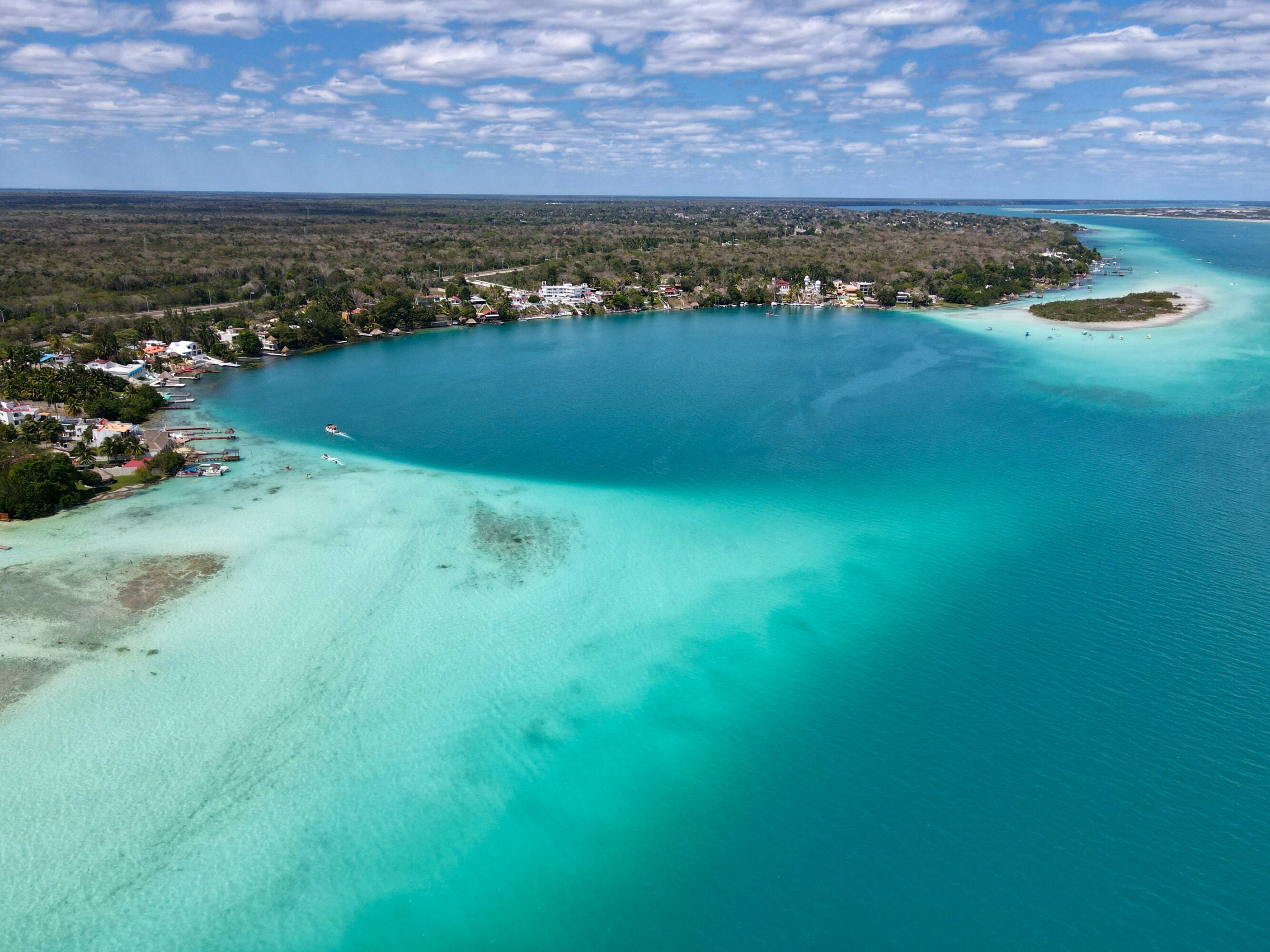
The Riviera Maya is a 130-kilometer stretch of Mexico’s Caribbean coastline in the state of Quintana Roo. It runs south from Puerto Morelos to Tulum, hugging the eastern edge of the Yucatan Peninsula. If you’re looking at a map, find Cancun at the northeastern tip of Mexico, then trace the coast south. That entire corridor of turquoise water, white sand beaches, and jungle-lined highways is the Riviera Maya.
The region is not a city. It’s a collection of beach towns, fishing villages, gated communities, and resort areas, each with its own personality. Playa del Carmen is the commercial hub. Tulum draws the boutique-hotel crowd. Puerto Aventuras is a quiet, gated marina community popular with families. Akumal is known for sea turtles and laid-back snorkeling. And between all of them, you’ll find cenotes, Mayan ruins, and stretches of undeveloped coastline that feel like they belong to a different century.
This guide covers the essentials: exactly where the Riviera Maya sits on the map, how to get here from the US, Canada, and beyond, what sets it apart from Cancun, and what to expect when you arrive.
The Riviera Maya occupies the northeastern coast of the Yucatan Peninsula in the Mexican state of Quintana Roo. Its northern boundary begins at Puerto Morelos, about 35 kilometers south of downtown Cancun. From there, it stretches 130 kilometers southward along the Caribbean Sea, passing through Playa del Carmen, Puerto Aventuras, and Akumal before ending at the archaeological site of Tulum.
The region sits at roughly 20.6 degrees north latitude, putting it at the same parallel as Hawaii. That geography delivers year-round warmth (average 28°C / 82°F), the warm Caribbean current that keeps the water swimmable in every month, and the limestone geology that created the Yucatan’s famous cenote network.
Highway 307 is the main artery connecting all the towns along the coast. Most travelers enter from the north via Cancun and drive south along this highway to reach their destination.
Most international visitors fly into Cancun International Airport (CUN), one of the busiest airports in Latin America. CUN offers direct flights from more than 30 US cities, including New York, Los Angeles, Chicago, Dallas, Miami, Houston, and Atlanta. Direct flights from Toronto, Montreal, Vancouver, and Calgary run year-round. European connections from London, Madrid, Frankfurt, and Amsterdam are also available, mostly seasonal.
From Cancun Airport, driving times depend on your final destination. Playa del Carmen is about 45 minutes south. Puerto Aventuras takes roughly 1 hour and 30 minutes. Akumal is about 1 hour 45 minutes. Tulum sits at the far end, approximately 2 hours 15 minutes from the airport. Private transfers, shared shuttles, and rental cars are all available at the terminal. If you’re renting a car, most properties offer complimentary parking.
The newer Tulum International Airport (TQO) opened in late 2023 and now serves direct flights from more than 15 cities. If your destination is in the southern Riviera Maya, TQO cuts travel time significantly.
Tren Maya, Mexico’s new railway system, connects Cancun Airport to Playa del Carmen and Tulum with air-conditioned trains running daily. The ride from Cancun to Tulum takes about 2.5 hours and offers three service classes: Xiinbal (standard), P’atal (premium), and Janal (dining car). For route details and stations, see our Travel Guide: Riviera Maya Train Route.
This is one of the most common questions from first-time visitors, and the short answer is: Cancun is a city, the Riviera Maya is a region. Cancun sits at the northern tip of the Yucatan Peninsula’s Caribbean coast. The Riviera Maya begins just south of it and stretches 130 km down the coastline. They’re neighbors, but the experience is different.
Cancun’s Hotel Zone is a 23-kilometer strip of high-rise resorts, nightclubs, and shopping malls on a narrow barrier island. It’s built for scale: large resorts, spring break crowds, and all-inclusive packages. The Riviera Maya, by contrast, is spread across dozens of smaller towns. The pace is slower. The buildings are lower. The beach bars outnumber the nightclubs. Instead of one concentrated resort strip, you get fishing villages with cenotes in the backyard and archaeological sites a short drive away.
The practical distinction matters for planning: if you want a single, self-contained resort experience, Cancun’s Hotel Zone delivers that. If you want to explore multiple towns, rent a villa with your family or group, and move between beaches, ruins, and jungle excursions, the Riviera Maya is the better fit. We wrote a detailed comparison in our Tulum Vs. Cancun: Which is right for you? guide.
Puerto Morelos is the gateway to the Riviera Maya and has maintained its small-town fishing village character. It sits right off the Mesoamerican Barrier Reef (the second largest in the world) and is popular with snorkelers and divers who prefer a quiet base.
Playa del Carmen is the commercial and social center of the region. Quinta Avenida, the main pedestrian avenue, runs parallel to the beach for over 20 blocks and is lined with restaurants, shops, and bars. The ferry to Cozumel departs from here. It’s the most urban town in the Riviera Maya, but even at its busiest it feels manageable compared to Cancun.
Puerto Aventuras is a gated marina community about an hour south of Cancun Airport. It offers a controlled, quiet environment with restaurants along the marina, a dolphin habitat, and private beach access. For families with young children or multigenerational groups, the combination of security, calm waters, and walkability makes it one of the most practical bases in the entire region. See our info on Puerto Aventuras.
Akumal means “place of the turtles” in Mayan, and it lives up to the name. Sea turtles feed on the seagrass in Akumal Bay, and you can snorkel alongside them from the beach (no boat required). The town is small and residential, with a handful of restaurants and dive shops. See our info on Akumal.
Tulum occupies the southern end of the Riviera Maya and has become one of Mexico’s most recognizable destinations. The clifftop Tulum Ruins overlook the sea. The hotel zone runs along a narrow beach road lined with boutique hotels, yoga studios, and restaurants built into the jungle. See our info on Tulum.
The Riviera Maya is not a place where you run out of things to do. The mix of coast, jungle, and history creates an unusual density of experiences within a short drive of wherever you’re staying.
Beaches. The Caribbean coast here delivers calm, warm water and fine white sand. Akumal Bay, Xpu-Ha, and the beaches around Puerto Aventuras are less crowded alternatives to Playa del Carmen’s main strip. For a full guide, see our 6 of the best Riviera Maya beaches to visit guide.
Cenotes. The Yucatan Peninsula sits on a limestone shelf riddled with underground rivers and sinkholes. These cenotes range from open-air swimming holes to cathedral-like caverns with stalactites. There are more than 6,000 documented cenotes in the region. Some are developed with stairs and changing rooms; others require a machete to reach. Discover the magical cenotes in Riviera Maya.
Archaeological sites. Tulum Ruins sit on a cliff above the sea, making them perhaps the most photogenic archaeological site in Mexico. Coba, 45 minutes inland, has the tallest pyramid in the Yucatan (Nohoch Mul, 42 meters) and can still be climbed. Chichen Itza, a UNESCO World Heritage Site, is about a 2.5-hour drive from Playa del Carmen, which is the city where the road that connects Yucatan is located. Discover Mayan Ruins in Mexico along the Riviera Maya.
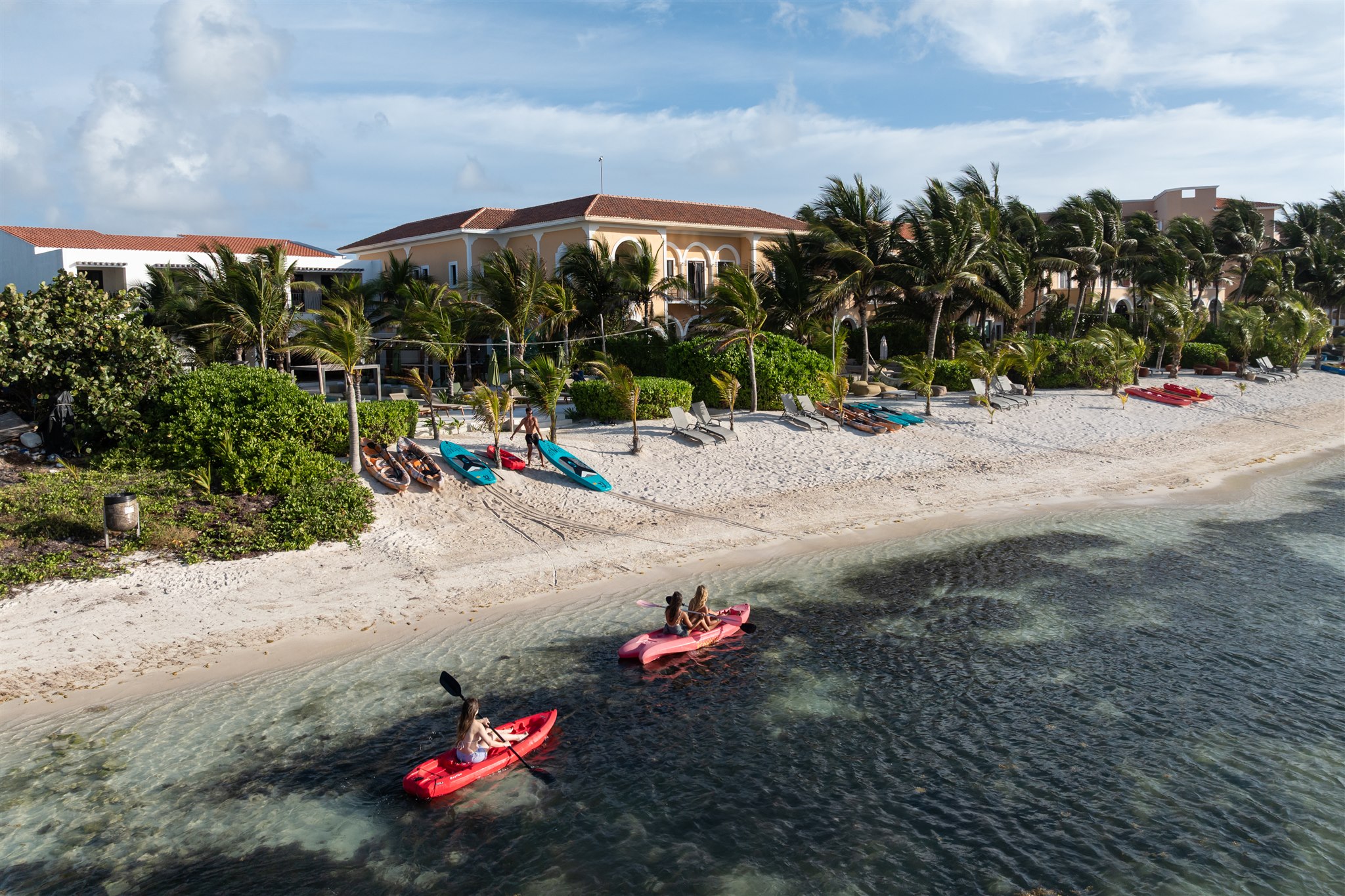
Water sports. Snorkeling, scuba diving, paddleboarding, kayaking, and deep-sea fishing are all available along the coast. The Mesoamerican Barrier Reef runs parallel to the shoreline and supports some of the best diving in the Caribbean.
Eco-parks. Xcaret, Xel-Ha, and Rio Secreto offer organized nature experiences that combine swimming, snorkeling, zip-lining, and wildlife encounters in a single-day format. These work well for families who want an active day without the logistics of independent exploration.
The tourist areas of the Riviera Maya maintain strong safety records. The region’s economy depends on international tourism, and federal, state, and local authorities invest significantly in security across the main corridor.
Puerto Aventuras, in particular, is a gated residential and resort community with 24/7 security at its entrances. Families with children and multigenerational groups often choose it specifically for this reason. The marina area, restaurants, and beaches are all within the gated perimeter.
Standard international travel precautions apply: use authorized transportation from the airport, keep valuables secure, and stay aware of your surroundings. These are the same habits you’d practice traveling to any international destination. The US State Department provides country-specific travel advisories that are updated regularly.
The Riviera Maya offers everything from all-inclusive resorts to boutique hotels to private vacation villas. Your choice depends on what kind of trip you’re planning.
For couples and solo travelers, the hotel zones in Playa del Carmen and Tulum offer walkable access to restaurants, nightlife, and beaches. For larger groups, families, and multigenerational trips, private villas and haciendas offer space, privacy, and personalized service that hotels can’t match. A private villa with a dedicated chef, bartender, and concierge often costs less per person than equivalent all-inclusive resorts when you’re traveling with 8 or more people.
Riviera Maya Haciendas manages a collection of beachfront haciendas, villas, and condos in Puerto Aventuras and across the Riviera Maya. Properties range from 2-bedroom condos for couples to full Haciendas accommodating 20+ guests, all with dedicated staff. Browse all available properties.
No. Cancun is a city at the northern end of the region. The Riviera Maya is a 130-km coastal stretch that runs south from Puerto Morelos to Tulum, encompassing beach towns like Playa del Carmen, Puerto Aventuras, and Akumal. They’re connected by Highway 307, and Cancun Airport serves as the primary gateway to both.
The Riviera Maya is in the state of Quintana Roo, on the eastern coast of Mexico’s Yucatan Peninsula. Quintana Roo is Mexico’s easternmost state, bordering Belize to the south and the Caribbean Sea to the east.
Most travelers fly into Cancun International Airport (CUN), which offers direct flights from dozens of US, Canadian, and European cities. The newer Tulum International Airport (TQO) serves the southern Riviera Maya with direct flights from more than 15 cities.
The main tourist areas maintain strong safety records. Gated communities like Puerto Aventuras offer 24/7 security. Standard travel precautions apply, as with any international destination.
No. The Riviera Maya is a geographic region, not a single city. It includes multiple towns and communities along the Caribbean coast of Quintana Roo, from Puerto Morelos in the north to Tulum in the south.
It depends on your destination within the region. Playa del Carmen is about 45 minutes. Puerto Aventuras is approximately 1 hour and 30 minutes. Akumal is 1 hour 45 minutes. Tulum is about 2 hours 15 minutes. Private transfers and rental cars are available at the airport.
La Riviera Maya se encuentra en el estado de Quintana Roo, en la costa caribe del sureste de México. Se extiende 130 km desde Puerto Morelos hasta Tulum, en la Península de Yucatán. The Riviera Maya is on Mexico’s southeastern Caribbean coast, in the state of Quintana Roo.
Last updated: April 2026
Bring your family to Mexico’s Riviera Maya. Vacation is an opportunity for your family to reconnect, relax, and savor life’s finest experiences. Read the article!
The Short Answer (and Why It’s Not That Simple) The best time for most travelers is November through April—dry season, comfortable temperatures, peak wildlife. But “best” depends on what kind of trip you’re planning and what you’re willing to spend. Generic travel sites will give you a weather chart and
From hidden cenotes to sunset sailing, explore the best things to do in Riviera Maya. Insider tips from a team that’s called this coast home for over a decade.
Don't have an account? Register
Do you already have an account? Log In
Please enter your username or email address. You will receive a link to create a new password via email.
We use cookies to improve your experience on our site. By using our site, you consent to cookies.
Manage your cookie preferences below:
Essential cookies enable basic functions and are necessary for the proper function of the website.
Google reCAPTCHA helps protect websites from spam and abuse by verifying user interactions through challenges.
Google Tag Manager simplifies the management of marketing tags on your website without code changes.
These cookies are used for managing login functionality on this website.
Stripe is a payment processing platform that enables businesses to accept online payments securely and efficiently.
Service URL: stripe.com (opens in a new window)
Marketing cookies are used to follow visitors to websites. The intention is to show ads that are relevant and engaging to the individual user.
Facebook Pixel is a web analytics service that tracks and reports website traffic.
Service URL: www.facebook.com (opens in a new window)
OptinMonster is a powerful lead generation tool that helps businesses convert visitors into subscribers and customers.
Service URL: optinmonster.com (opens in a new window)
Pinterest Tag is a web analytics service that tracks and reports website traffic.
Service URL: policy.pinterest.com (opens in a new window)